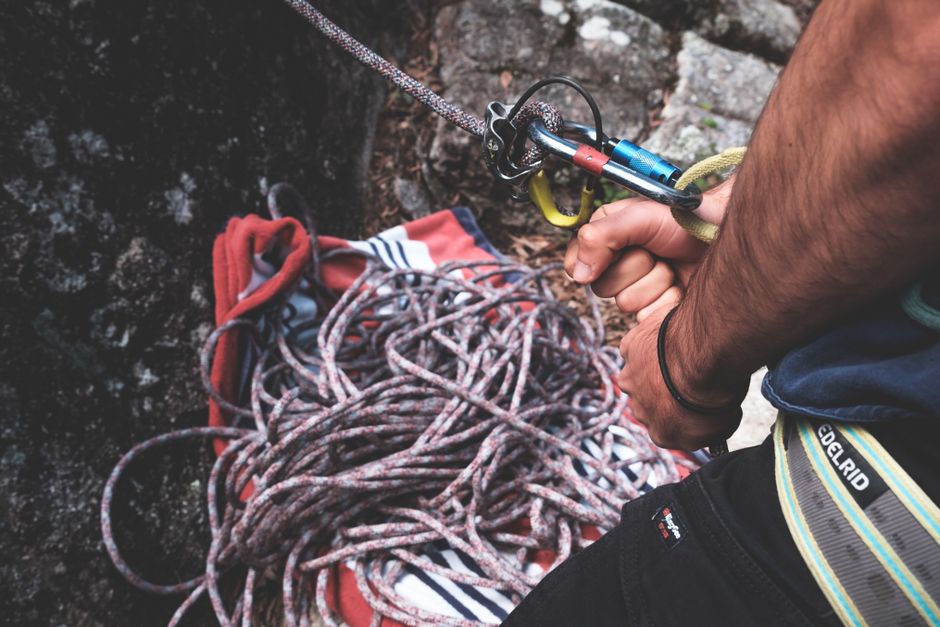
Unrecognizable climber with belay harness with carabines on rope standing near rocky cliff while preparing for mountaineering training in nature

Safety

We prioritize your safety through rigorous gear testing, route planning, and weather monitoring. Read our FAQs and risk management guidelines.
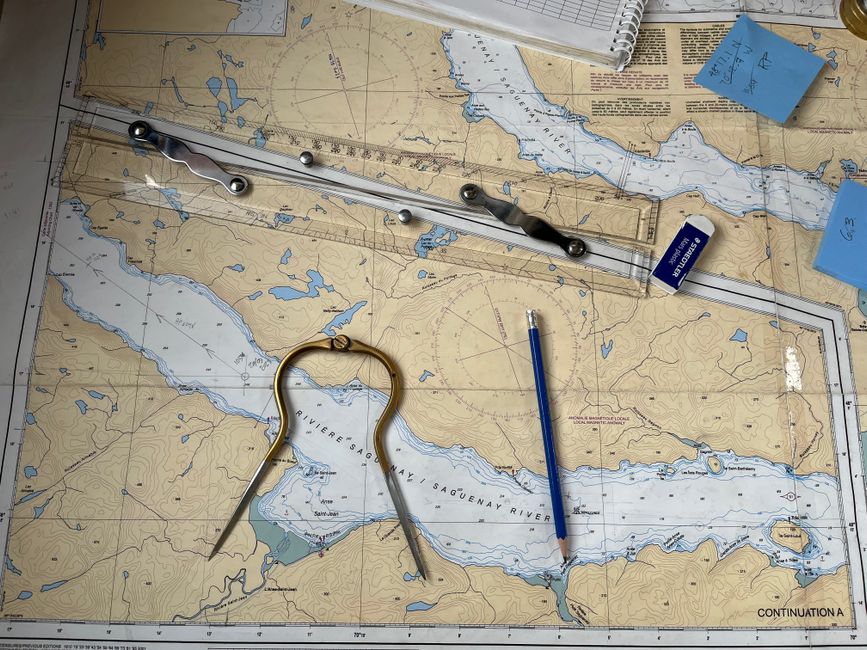
Flat lay of nautical chart with navigation tools including a compass, ruler, and pencil.

Our Approach to Climbing Safety

At Alpine Sentinel, we provide systematic frameworks for evaluating climbing safety. Our methodology covers gear testing protocols that assess equipment under simulated stress, route planning templates that incorporate terrain analysis and contingency options, and weather monitoring procedures that track short-term and long-term forecasts. These elements are designed to support climbers in making informed decisions. Each component is presented as a reference tool, allowing individuals to adapt the processes to their specific climbing context. The goal is to offer structured guidance that complements personal experience and external conditions.

Frequently Asked Questions on Risk Management

  • What standards do you use for gear testing?
    Alpine Sentinel references industry testing norms, such as UIAA and CE, to provide comparative evaluations of equipment durability and performance under controlled conditions.
  • How should I plan a route for safety?
    Route planning involves reviewing topographic maps, assessing objective hazards, and identifying escape options. Our templates help structure these assessments for various difficulty levels.
  • What weather data is most useful for climbing?
    Key data includes wind speed, precipitation probability, and temperature trends. We recommend cross-referencing multiple sources and updating forecasts close to the climb date.
  • Can risk be completely eliminated in climbing?
    No methodology eliminates all risk. Alpine Sentinel's guidelines aim to reduce uncertainty by providing structured decision-making frameworks that consider multiple factors.
  • Where can I find Alpine Sentinel's risk management guidelines?
    Our guidelines are available in the resources section. They cover hazard identification, mitigation strategies, and checklists for pre-climb review.

Principles of Risk Mitigation

Risk mitigation in climbing depends on integrating diverse information sources. No single action guarantees safety; rather, a combination of gear assessment, route evaluation, and weather awareness contributes to a more informed climbing practice. Alpine Sentinel presents these components as considerations, not prescriptions, and encourages climbers to apply them within their own experience and situational constraints.

Tools for Safer Climbing

Alpine Sentinel offers a collection of informational resources focused on safety practices. These include detailed gear testing reports that compare harnesses, ropes, and protection devices under standardized conditions. Route planning templates help structure reconnaissance notes and decision points. Weather monitoring guides explain how to interpret forecasts and identify warning signs. Each resource is intended as a reference, allowing climbers to build their own risk management framework. The materials are updated periodically to reflect evolving techniques and data sources.

A wooden hand model holding a cut-out question mark against a blue background, symbolizing curiosity or inquiry.