A Beginner’s Guide to Rock Climbing Protection Systems
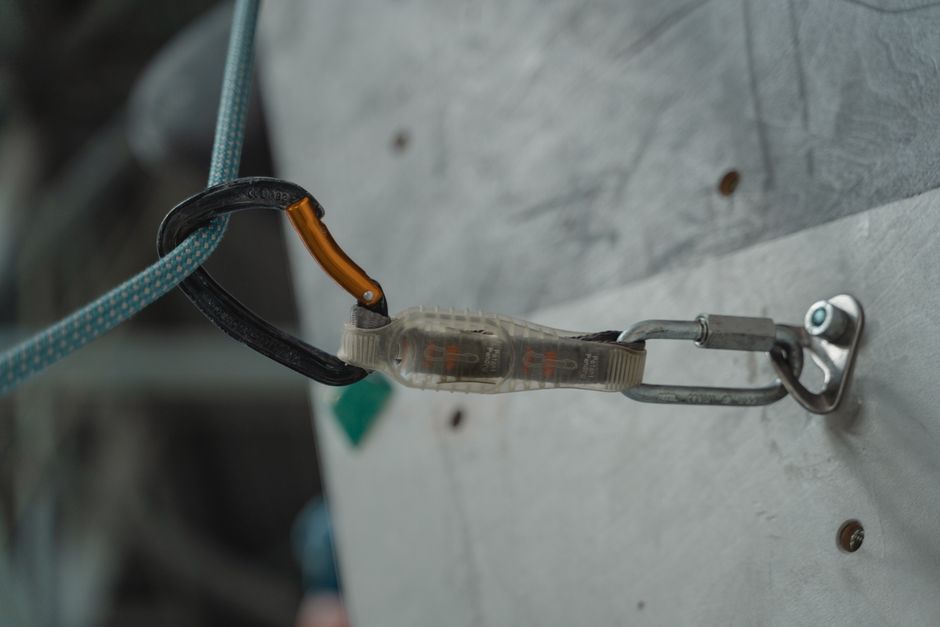
Traditional rock climbing, often referred to as trad climbing, involves placing removable protection as the climber ascends. This protection system, composed of devices such as nuts, hexes, and camming devices, serves to arrest a fall by transferring force to the rock. Understanding how these pieces function and how to place them correctly is a fundamental skill for any climber moving beyond bolt-protected routes. This guide provides an overview of the main types of protection, their placement, and the factors that influence their holding ability.
The concept behind trad protection is simple: a device is inserted into a crack or constriction in the rock, and when weighted by a fall, it wedges or expands to create a secure anchor point. However, the effectiveness of each placement depends on a combination of the device’s design, the quality of the rock, and the direction of the load. No piece of protection can be guaranteed to hold a fall; instead, climbers aim to place pieces in configurations that maximize the chance of a successful arrest. This article explores the mechanics and nuances of nuts, hexes, and cams, offering a process-oriented understanding of how they work within a climbing system.
Passive Protection: Nuts and Hexes
Passive protection refers to devices that rely entirely on the shape of the rock to hold them in place. The most common examples are nuts—tapered metal wedges attached to a wire or sling—and hexes, which are six-sided symmetric pieces. Nuts are inserted into a narrowing crack, known as a constriction, where they wedge securely when pulled downward or outward. The wire or sling allows the nut to be oriented so that the broadest face contacts the rock, creating a self-tightening action under load. Placement requires careful observation: the crack must taper in the direction of the anticipated pull, and the nut should be seated firmly without being forced into a position where the rock edges could break.
Hexes function similarly but offer more versatility due to their symmetric shape. They can be placed in either a horizontal or vertical orientation, and in some cases, they can be wedged between two parallel faces. The holding strength of a passive placement is largely determined by the quality of the rock contact. A well-seated nut on solid granite can withstand forces well above what a falling climber generates, whereas a placement on flaky or loose rock may fail even under a light load. Climbers learn to test placements by tapping the nut with a finger to feel for solidity and by visualizing the direction of the fall to ensure the piece will not slide out. Passive protection is simple, lightweight, and reliable when placed correctly, but it requires a suitable crack shape to function.
Active Protection: Camming Devices
Camming devices, commonly called cams, are mechanical pieces that use springs and rotating lobes to expand inside a crack. When a cam is placed and then weighted, the lobes rotate outward, pressing against the crack walls and generating friction. This active mechanism allows cams to hold in parallel-sided cracks where passive nuts would not work. Each cam has a specific size range, indicated by its smallest and largest lobe expansion. Placing a cam involves selecting the appropriate size for the crack width, then inserting it so that all lobes make even contact with the rock surface. The trigger mechanism is used to collapse the lobes during placement; once released, the springs push the lobes against the rock.
A key principle in cam placement is avoiding over-camming or under-camming. Over-camming occurs when the cam is placed in a crack that is too narrow for its size range, causing the lobes to only partially expand and reducing surface contact. Under-camming means the cam is too small for the crack, leaving the lobes only slightly engaged. Both conditions decrease holding power and increase the risk of walking or dislodging. Proper placement involves selecting a cam that allows the lobes to achieve a 1/3 to 1/2 expansion of their range. Additionally, the cam should be oriented so that the load is directed along the stem toward the central axle. In many cases, climbers prefer to use a sling or an extended quickdraw to reduce the chance of the cam walking out of the crack during a fall. While cams are convenient and versatile, they require careful attention to placement and are more sensitive to rock quality than passive devices.
Placement Techniques for Reliable Protection
Whether using passive or active protection, several general techniques improve the likelihood of a successful placement. First, the rock surface should be inspected for cracks, sharp edges, or loose flakes that could compromise the piece. Placing protection behind a detached block or in a fractured seam can lead to catastrophic failure. Second, the direction of the anticipated fall load must be considered. For a nut or cam, the stem or wire should align with the direction the climber expects to fall—usually downward and slightly outward. An extension sling can help redirect the load along the natural line of pull if the initial placement is not perfectly aligned.
Another important technique is to place pieces in a stance where the climber is stable and can take time to assess the placement. Rushing often leads to shallow or poorly seated gear. After placing a device, a gentle tug on the sling or wire can confirm that it is firmly seated and will not shift easily. Climbers also build redundancy by placing multiple pieces in a single crack system, sometimes equalizing them with a sling to distribute the load among several points. This approach does not guarantee protection but reduces the consequence of any single piece failing. Practicing placements on the ground or on easy climbs helps develop the tactile sense needed to evaluate rock quality and gear fit without relying on visual inspection alone.
Factors Influencing Holding Strength
The holding strength of any protection piece depends on a combination of factors that climbers learn to evaluate over time. Rock type plays a significant role: hard, crystalline rocks like granite offer high friction and solid edges, while softer rocks like sandstone or limestone may compress or crumble under load. Crack shape and orientation also matter—a flaring crack that widens outward provides a less secure seat for passive gear, whereas a constriction or parallel-sided crack is ideal. For cams, the condition of the lobe contact area is critical; smooth or polished rock reduces friction, while rough, gritty surfaces enhance grip.
Placement quality is perhaps the most variable factor. A nut that is barely touching the rock or a cam with only two lobes engaged will have significantly lower holding strength than one that is fully seated with uniform contact. Environmental conditions such as moisture, ice, or moss can further reduce friction. Climbers must also account for dynamic loading during a fall—the sudden force can shift a piece if the rock edges are weak or if the device was not placed with the proper orientation. While manufacturers provide strength ratings for individual devices, these numbers reflect testing under ideal conditions. Real-world holding strength is always conditional and can only be assessed in the context of the specific placement. This is why experienced climbers emphasize the importance of varied placements, continuous practice, and conservative judgment when building a protection system.