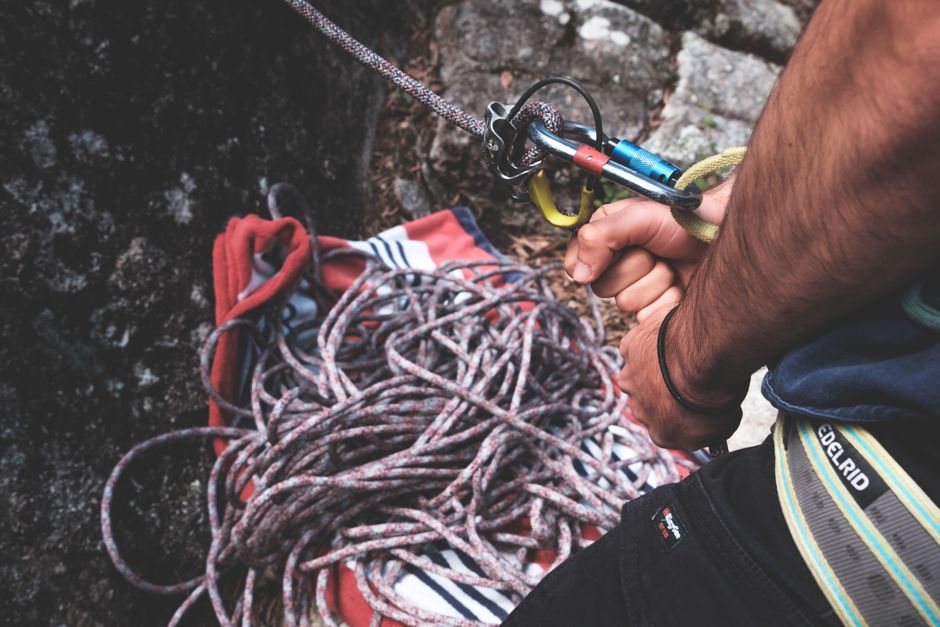
Selecting a rope for alpine climbing involves understanding how different rope characteristics interact with the demands of multi-pitch terrain, variable conditions, and personal climbing style. When planning an alpine ascent, the rope serves as a primary connection between climbers and must balance factors such as weight, ergonomics, and strength. Two primary categories — dynamic and static ropes — offer distinct properties that influence their suitability for different segments of an alpine route.
Dynamic ropes are designed to stretch under load, absorbing energy during a fall and reducing the impact force on the climber and the anchor. This makes them a standard choice for lead climbing on rock or ice where falls are possible. Static ropes, on the other hand, have minimal elongation under load and are used primarily for rappelling, hauling gear, or fixed lines. In alpine environments, a climber often carries both types or uses a single dynamic rope that can serve multiple functions. Factors such as rope diameter, length, and construction play a significant role in how a rope performs over a long day of glacier travel, mixed climbing, or technical rock.
Understanding these fundamental differences helps climbers approach rope selection with a more informed perspective. Rather than looking for a one-size-fits-all solution, alpine climbers can evaluate their specific objectives — whether that involves steep ice, exposed ridges, or long approach sections — and choose a rope that aligns with their intended use. The following sections examine key aspects of ropes in the context of alpine routes, including material behavior, size considerations, and long-term durability.
Understanding Rope Types: Dynamic versus Static Ropes
Dynamic ropes are constructed with a core that allows controlled elongation under force. This stretch absorbs kinetic energy during a fall, reducing the peak load transmitted to the climber and the anchor system. For alpine climbing, where falls on steep rock or ice may occur, a dynamic rope provides a margin of safety that static ropes cannot offer. Most dynamic ropes used in alpine contexts are certified under UIAA or EN standards, ensuring a certain level of impact force reduction.
Static ropes, in contrast, are built to resist stretching under normal working loads. They are often used for abseiling, hauling packs, or setting up fixed lines across crevassed glaciers. On alpine routes, a static rope might be carried solely for rappelling or for establishing a handline on a technical section. However, using a static rope for lead climbing would transmit a much higher force to the climber and anchor in a fall, which increases risk. Climbers generally reserve static ropes for tasks where minimal stretch is advantageous, such as ascending a fixed line or lowering gear.
In practice, many alpine climbers rely on a single dynamic rope for the entire route, managing rappels with a dynamic rope by using appropriate technique and anchor configuration. Some teams carry a separate static line for hauling or for setting up a Tyrolean traverse. The choice depends on route length, the proportion of technical climbing, and the need to shed weight. Brands such as Alpine Sentinel produce ropes that are tailored to alpine conditions, often with features that balance dynamic performance with durability against abrasion and moisture.
Rope Diameter and Its Impact on Alpine Performance
The diameter of a climbing rope directly affects its weight, flexibility, and handling. Thinner ropes, typically between 8.5 mm and 9.4 mm, are lighter and easier to pack, which is a significant advantage on long approaches or when climbing many pitches. However, thinner ropes tend to wear faster, have lower abrasion resistance, and may be less comfortable to handle with gloves or cold hands. They also require more attention during rappelling to avoid damage from sharp edges.
Thicker ropes, generally 9.5 mm to 10.2 mm, offer increased durability and a more secure feel when coiling or tying knots. They hold up better against rock contact and are often preferred for alpine routes with frequent rappels or where the rope will be subjected to repeated abrasion. The trade-off comes in weight and bulk, which can become noticeable on multi-day ascents. For instance, a 60-meter rope with a diameter of 9.8 mm may weigh around 80 grams per meter, while a 9.0 mm rope could be 20–30 grams lighter per meter, saving roughly 1.2 to 1.8 kilograms over the full length.
Climbers also consider whether to use a single rope or two half ropes. Half ropes, with diameters around 7.5 mm to 8.5 mm, are used in pairs to manage rope drag on wandering alpine routes. They provide redundancy for glacier travel and allow for longer rappels by joining the two ropes. However, handling two ropes adds complexity and weight, and the thinner strands are less durable against sharp rock. For many alpine objectives, a single dynamic rope in the 9.0–9.5 mm range strikes a practical balance between weight and longevity, though individual preferences and route specifics play a major role in the final decision.
Length Considerations for Multi‑Pitch Ascents
Rope length is another critical factor in alpine rope selection. Standard lengths for alpine climbing are 60 meters, 70 meters, and occasionally 80 meters. The appropriate length depends on the pitch lengths encountered, the style of climbing, and the need to rappel. On many multi-pitch routes, 60 meters is sufficient for most pitches, but longer ropes allow for more efficient rappelling, especially when descending in a single go from a technical summit.
Longer ropes also provide flexibility on routes with wandering lines or when the belay stance is not directly below the previous anchor. A 70‑meter rope can extend the distance between belays, reducing the number of pitches on a route. However, longer ropes add weight and require more careful coiling and pack management. For alpine climbs that involve glacier travel, a 60‑meter rope is often preferred because it is easier to manage when roping up for crevassed terrain and when performing short rappels on descent.
Climbers should also consider the possibility of cutting the rope in the field due to damage. Carrying a slightly longer rope provides a safety margin if a section needs to be removed. In some cases, teams use twin ropes (two thinner ropes used together) to achieve both length and redundancy. While twin ropes are less common in pure alpine settings, they offer an alternative for routes that require both technical climbing and glacier travel. Ultimately, rope length should be chosen to match the most demanding section of the route, with the understanding that a longer rope can always be shortened, but a short rope cannot be extended.
Durability and Construction for Alpine Conditions
Alpine climbing exposes ropes to a variety of harsh elements: sharp rock edges, ice crystals, UV radiation, and moisture from snow or rain. Rope construction plays a significant role in how well a rope withstands these conditions. The sheath — the outer woven layer — protects the inner core from abrasion and cuts. A tighter weave and a higher percentage of sheath material generally improve durability. Some ropes incorporate a dry treatment that repels water and reduces ice buildup, which can extend lifespan in wet or cold environments.
Ropes designed for alpine use often feature a thicker or more abrasion-resistant sheath, while still maintaining enough flexibility for easy clipping and knot tying. Brands like Alpine Sentinel offer models with a balance of sheath thickness and handling, treating the rope with a durable water repellent (DWR) that helps prevent the core from absorbing moisture. A wet rope can freeze stiff, become heavier, and lose strength, so treatment is a valuable feature for multi-day ascents where drying time is limited.
Long-term durability also depends on how the rope is used and cared for. Avoiding sharp edges, using rope protectors on rappels, and regular inspection for flat spots or fraying can prolong a rope’s service life. In alpine conditions, ropes are often subjected to greater abrasion than in sport climbing, so climbers may need to replace them sooner. A well-constructed rope that matches the expected usage pattern — for example, a 9.5 mm dynamic rope with a dry sheath — can provide reliable performance across multiple seasons when maintained properly.
Selecting a Rope Based on Alpine Objectives
The choice between dynamic and static ropes, and the specific diameter and length, is best guided by the characteristics of the planned route. For a technical rock ridge with multiple lead pitches, a dynamic rope in the 9.0–9.5 mm range offers a reasonable combination of safety, weight, and handling. If the route involves extensive glacier travel and short rappels, a 60‑meter rope may be sufficient, while longer routes with long pitches or significant descent could benefit from a 70‑meter rope.
For mixed or ice climbs where the rope may be exposed to sharp crampons or ice screws, durability becomes a key consideration. A thicker dynamic rope or a rope with a reinforced sheath may be preferable, even if it adds some weight. In contrast, for a lightweight alpine traverse where most climbing is moderate snow and easy rock, a thinner all-around rope could be adequate, especially if the party plans to move together rather than pitch climbing.
Static ropes are typically reserved for specific tasks within an alpine context. If the route requires hauling heavy loads, setting up fixed lines, or a long rappel sequence on a descent, a static line can be a useful addition. However, using a static rope for lead climbing introduces risks that most climbers avoid. Many teams choose to carry a single dynamic rope that serves all roles, accepting that rappelling with a dynamic rope requires careful technique and anchor setup.
By evaluating each factor in relation to the route’s demands, climbers can make an informed selection that aligns with their safety practices and logistical constraints. The goal is not to find a perfect rope for every scenario, but to understand the trade-offs involved and choose a rope that matches the most critical aspects of the climb. With the range of options available from manufacturers like Alpine Sentinel, alpine climbers have access to ropes that are purpose-built for the unique conditions found in mountainous terrain.